
The Peabody Homeowner's Guide to Cleaning and Home Improvement
· By Ronney Schineider
Owning a home in Peabody means living in one of the North Shore's most settled, family-friendly suburbs. The city grew up around Peabody Square and spread outward into quiet residential streets, so most homeowners here are caring for houses that have been standing for decades. West Peabody feels almost rural in spots, with larger lots near Brooksby Farm and Crystal Lake, while neighborhoods closer to downtown and the Northshore Mall area are denser and more walkable. Whichever pocket you call home, the house you bought is likely a real New England structure that has already weathered plenty of winters.
That history is the whole point of this guide. An established suburban home is a great thing to own, but it asks for steady attention: kitchens and baths that date themselves, decks that fade after a decade of sun, siding and paint that take a beating from coastal weather, and the ordinary cleaning that keeps everything livable. This is a plain-English walkthrough of what Peabody homeowners tend to deal with, how to think about upgrades over time, and when a project is worth handing to a pro. It is meant to help you plan, not to sell you anything.
Peabody's suburban single-family neighborhoods
Peabody is a city of neighborhoods, and each one shapes the kind of home you own. West Peabody, out toward Brooksby Farm and Crystal Lake, is known for its larger single-family lots, ranches, split-levels, and colonials built through the mid and later twentieth century. Yards are bigger, tree cover is heavier, and homes often sit back from the road, which means more exterior surface to maintain and more landscape to manage.
Closer in, South Peabody and the streets around Peabody Square trend toward tighter lots, older housing stock, and a mix of single-families and two-families. Homes here may have original features worth preserving alongside systems that are ready for an update. The area near the Northshore Mall is busier and more commercial, but the residential streets threaded around it are still classic suburban blocks.
Knowing your neighborhood helps you set priorities. A West Peabody colonial on a wooded lot might put deck, siding, and yard drainage near the top of the list, while an older home near the Square might focus first on kitchen and bath modernization. There is no universal order of operations; the right one depends on the house you actually have.
Common upgrades for established suburban homes
The most common projects in an established Peabody home cluster around a few areas. Kitchens are usually first, because a dated layout or worn cabinets affect daily life the most. A remodel can range from a cosmetic refresh, new counters, cabinet fronts, and paint, to a full reconfiguration that moves walls and updates plumbing and electrical. Bathrooms follow closely, where tired tile, old vanities, and dated fixtures are common in homes that have not been touched in twenty or thirty years.
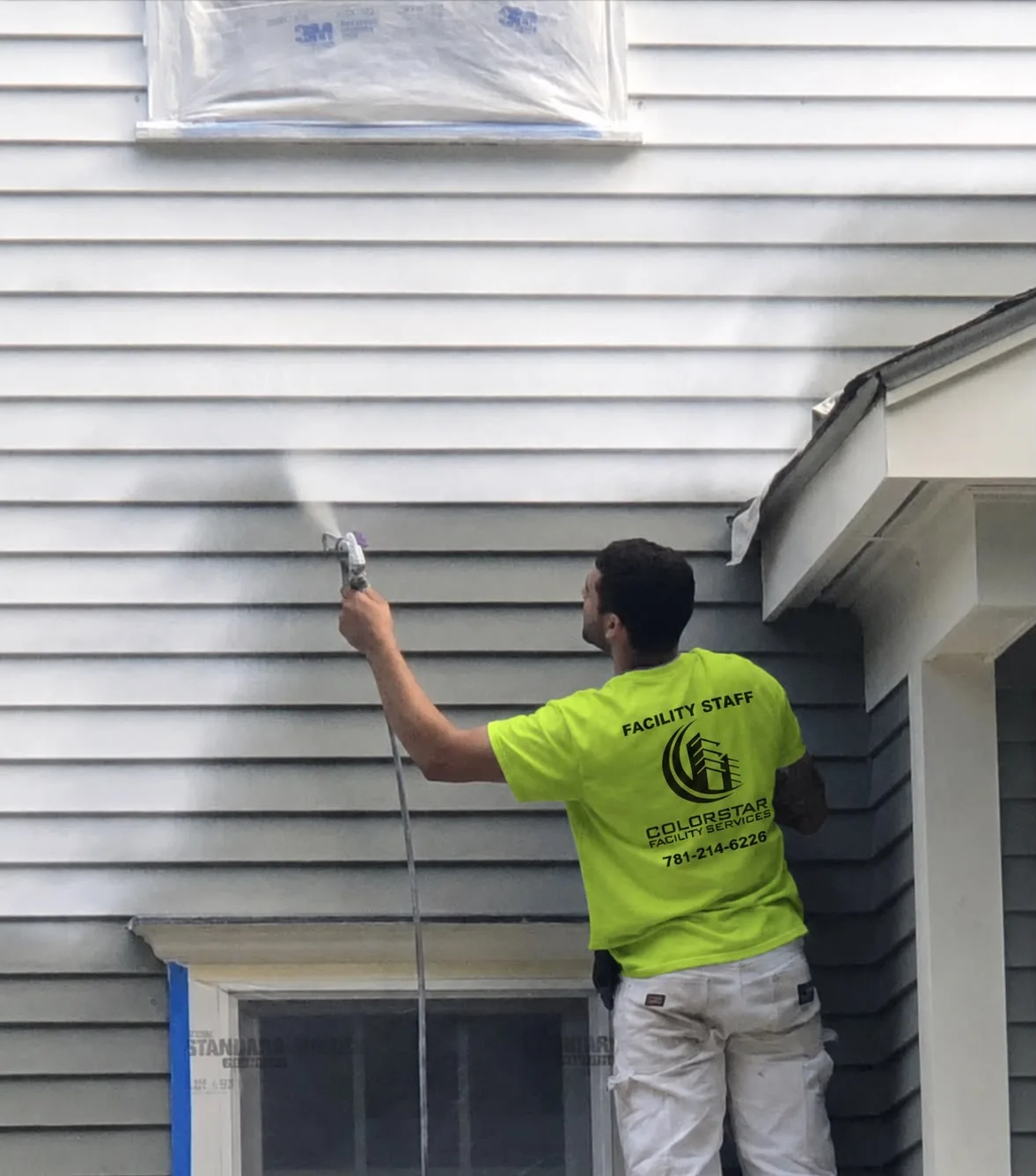
Outside, decks and exteriors carry a lot of weight. A deck is often the second living room of a suburban home in the warmer months, and after years of New England weather many are ready for repair or full replacement. Exterior work, siding, trim, and both interior and exterior painting, protects the house as much as it improves the look, since paint and caulk are the first line of defense against moisture.
You do not have to do everything at once, and most homeowners should not try to. The smart approach is to identify which upgrades protect the home, kitchens and baths that hide plumbing issues, exteriors that hold back water, and which are purely cosmetic, then sequence them over several seasons. Colorstar handles both the cleaning and remodeling sides of this list, which can simplify planning when one project leads to another.
Yard and deck season on the North Shore
New England gives you a real outdoor season, and Peabody homeowners feel it. From late spring through early fall, the deck, patio, and yard become the center of home life. That window is also when exterior projects get done, because paint, stain, and construction all need dry, warmer conditions to cure and finish properly.
For decks specifically, spring is the moment to inspect. Look for soft or splintering boards, loose railings, popped fasteners, and any wobble that suggests the framing or footings need attention. Cosmetic fading is one thing; a structural issue is another, and safety should always outrank appearance. If a deck is more than a decade old and showing rot, repair versus replace is a real conversation worth having before another season of use.
The same seasonal logic applies to the yard and the home's exterior. Late spring and summer are the natural time for exterior painting, siding repair, and any outdoor building, while fall is for cleanup and buttoning things up before the cold. Planning outdoor projects around this calendar saves money and headaches, since rushing exterior work into cold or wet weather rarely ends well.
Seasonal home maintenance that pays off
The cheapest home improvement is the maintenance that prevents a bigger repair. In a Peabody home, the seasons give you a natural checklist. Spring is for clearing winter debris, checking the roof and gutters, inspecting the deck, and washing away the salt and grime that build up over winter. Summer is the window for exterior painting, deck refinishing, and any bigger outdoor work.
Fall is the most important season for prevention. Clean the gutters before the leaves finish dropping, check that grading and drainage carry water away from the foundation, seal gaps where cold air and moisture sneak in, and schedule any interior projects for the colder months when you will be indoors more. Winter is mostly about watching for ice dams, moisture, and drafts, and keeping the interior clean and healthy when the house is closed up.
Regular deep cleaning belongs on this calendar too. Beyond keeping a home comfortable, seasonal cleaning surfaces small problems early, a stain that signals a leak, grout that is failing, a window that no longer seals, so you catch them while they are cheap to fix. Maintenance is not glamorous, but in an older suburban home it is what protects the value of everything else you own.
Budgeting improvements over time
The homeowners who keep their houses in the best shape rarely do it in one giant push. They budget improvements over years, tackling one meaningful project a season and spreading the cost. A workable approach is to divide your list into three buckets: urgent safety and protection items first, then upgrades that improve daily living, then purely cosmetic wants last.
Costs vary widely depending on scope, materials, and the condition of what is behind the walls, so it is hard to name a single number for any project. A modest bathroom refresh and a full gut renovation are worlds apart in price, and the same is true for a deck board swap versus a full rebuild. The honest move is to get a free estimate for the specific work you are considering, so the number reflects your home rather than an average.
One more budgeting tip: bundle projects that share the same crew, season, or prep work. If the exterior is already getting painted, it can be efficient to handle nearby trim or a deck refinish at the same time. Planning ahead lets you group work sensibly instead of paying to mobilize a crew for one small task at a time.
When to hire a pro
Plenty of Peabody homeowners are handy, and small jobs, painting a room, minor repairs, routine cleaning, are fair game for a capable DIYer. The decision to hire a pro usually comes down to three things: safety, scope, and skill. Anything structural, anything touching plumbing or electrical inside a wall, and anything involving heights or heavy materials tends to be worth handing off.
Scope matters too. A project that would eat your weekends for two months, or one where a mistake gets expensive fast, is often cheaper to hire out once you factor in your time and the cost of redoing bad work. Kitchen and bath remodels, deck building, and full exterior painting fall into this category for most homeowners, because the margin for error is small and the payoff for doing it right is large.
When you do hire, look for a company that will walk the project with you, explain the plan in plain terms, and put the scope and pricing in writing before work starts. Colorstar is a local option that covers both cleaning and remodeling across the North Shore, but the broader advice holds no matter who you choose: clear communication and a written scope protect you more than any single credential.
Frequently asked questions
- What are the most common home improvements for Peabody homes?
- Because much of Peabody is established suburban housing, the most common projects are kitchen and bathroom remodels, deck repair or replacement, and interior and exterior painting. Many homes here are decades old, so these updates modernize daily living while protecting the house from moisture and wear.
- When is the best time to build or refinish a deck in Peabody?
- Late spring through summer is ideal on the North Shore, since stain, paint, and construction all need dry, warmer conditions to cure properly. Spring is also when you should inspect an existing deck for soft boards, loose railings, or structural wobble before another season of use.
- How much does a kitchen or bathroom remodel cost in Peabody, MA?
- It depends heavily on scope, materials, and what is behind the walls, so there is no single number. A cosmetic refresh costs far less than a full gut renovation. The most reliable way to plan is to request a free estimate for your specific project so the figure reflects your actual home.
- Should I do home projects myself or hire a pro?
- Small jobs like painting a room, minor repairs, and routine cleaning are reasonable for a capable DIYer. Hire a pro for anything structural, anything touching in-wall plumbing or electrical, work at height, or large-scope projects like kitchen and bath remodels and deck building, where a mistake gets expensive quickly.
- How should I budget for home improvements over time?
- Split your list into three buckets: urgent safety and protection items first, then upgrades to daily living, then cosmetic wants. Tackle one meaningful project per season to spread cost, and bundle work that shares a crew or season. Get free estimates on the specific projects so your budget reflects real numbers.
Serving
Ready for an exact price?
Get a free, no-pressure in-home estimate. Real numbers for your home, not a phone guess.